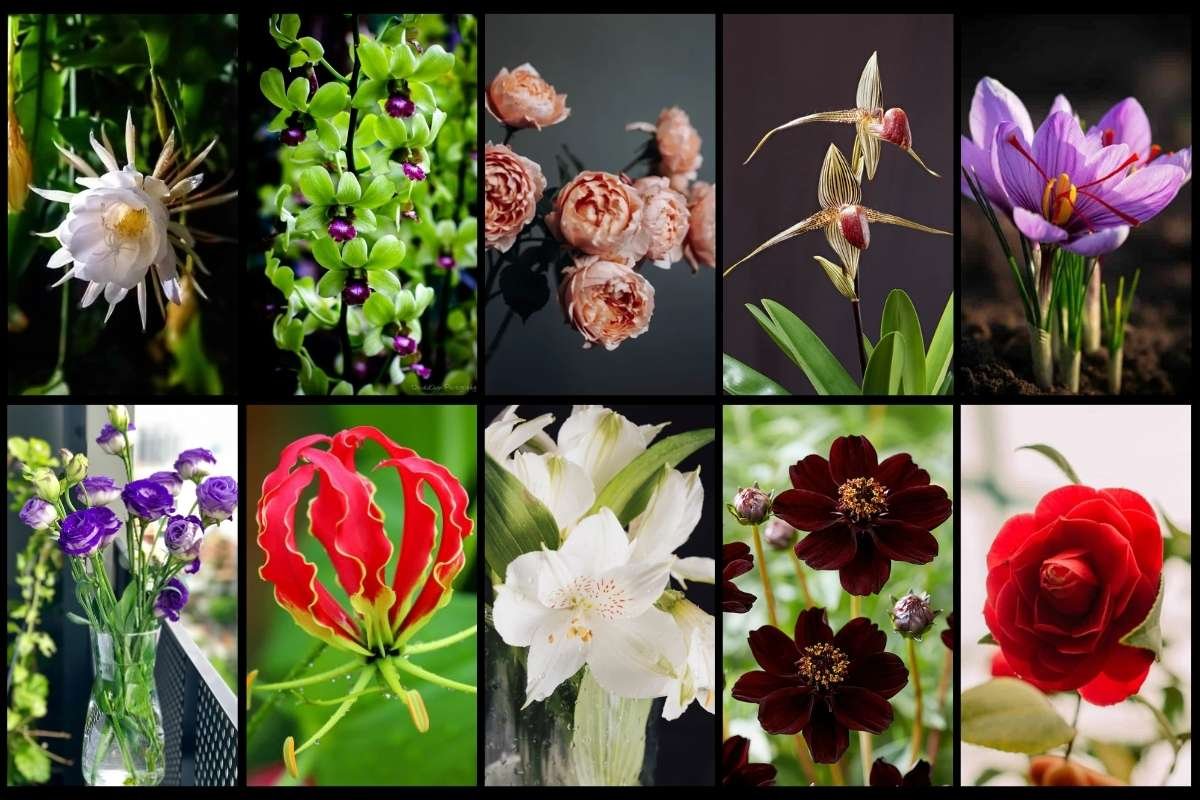
Flowers may seem like simple gifts of nature, but some blooms command prices that surpass luxury jewelry and rare collectibles. Global floriculture is now a $70+ billion industry, and within it exists a niche market where rare flowers are sold for thousands, even millions, due to their scarcity, cultural significance, and scientific uniqueness.
Rare orchids that bloom only occasionally, flowers that thrive solely in volcanic soil, and blooms found exclusively in protected forests all contribute to the mystique of the most expensive flowers in the world. With rising demand in luxury weddings, fragrance houses, and botanical collections, these extraordinary species continue to redefine what “precious” truly means.
In this blog, we uncover the most expensive flowers in the world, explore what makes them incredibly valuable, and break down the unique characteristics that place these blooms at the top of the luxury ladder.
What Makes a Flower Expensive?
A flower’s price isn’t just about beauty; it’s shaped by a mix of rarity, effort, and cultural value.
- Natural Rarity: Some blooms grow only in specific climates or bloom once a year, making them incredibly hard to find.
- Difficult Cultivation: Fragile flowers that require controlled environments, years of growth, or expert care naturally cost more.
- Short Bloom Lifespan: Flowers that wilt within hours or days are harder to transport and sell, increasing their exclusivity.
- Cultural or Symbolic Importance: When a flower carries spiritual, ceremonial, or historical meaning, demand rises and so does its price.
- Scientific Uniqueness: Hybrid or laboratory-created flowers that take years to develop often come with high research and cultivation costs.
Botanical Gems: The Top 10 Rarest and Most Expensive Flowers in the World
Some flowers stand out not just for their beauty, but for their extraordinary rarity and value. These blooms are grown in limited regions, have delicate lifecycles, or carry deep cultural and scientific significance, making them some of the most expensive flowers in the world. Below is a concise, data-backed list highlighting what makes each of these remarkable flowers truly exceptional.
1. Kadupul Flower
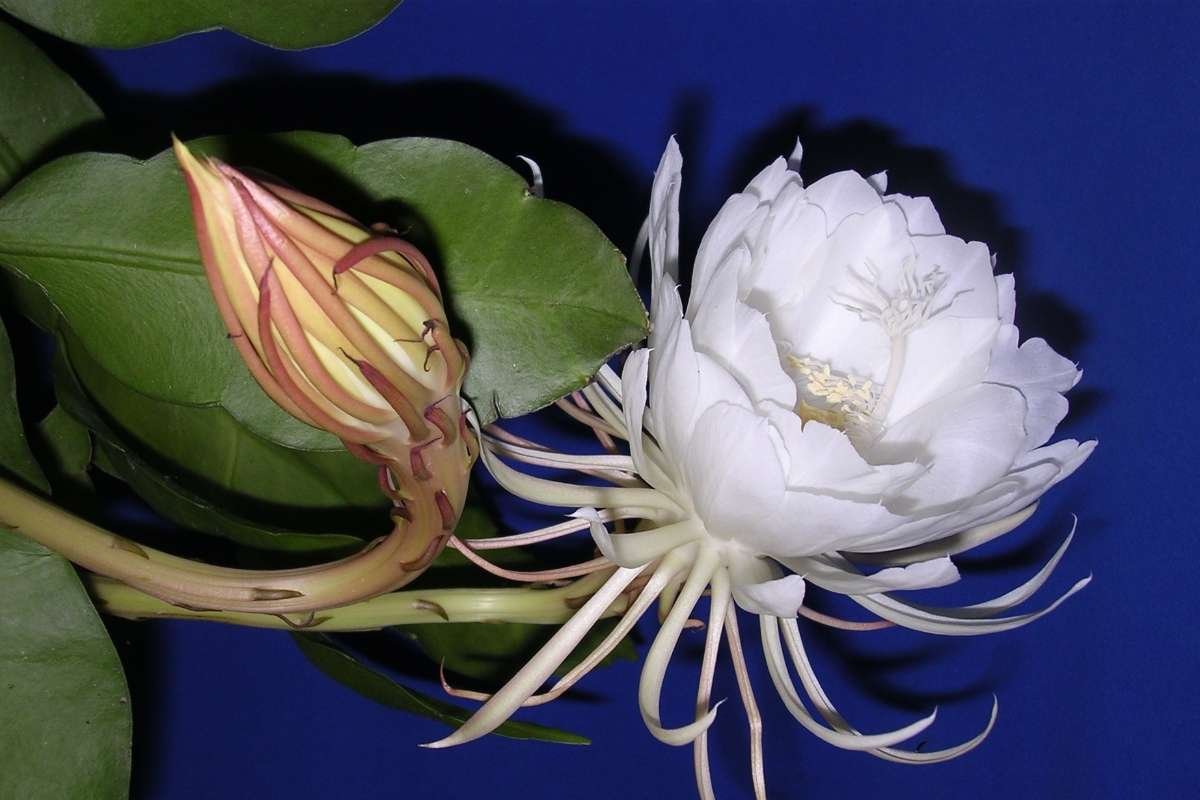
| Price | Priceless, as we cannot put a price on it, for real. It is a type of cactus that cannot be harvested in a garden. |
| Origin | Sri Lanka |
| Rarity | Blooms only at midnight and wilts before sunrise |
| Cultural Significance | Symbol of purity and spiritual transcendence |
| Scientific Name | Epiphyllum oxypetalum |
| Blooming Season | Once a year |
| Uses | Spiritual and ornamental |
Among the most expensive flowers in the world, the Kadupul Flower is treasured for its mystical midnight bloom that appears without warning. Its petals glow softly in the dark, releasing a fragrance that fills the air for only a few hours before fading with the first hint of sunrise. The flower’s inability to be picked or preserved makes it priceless; its value lies in the fleeting experience of witnessing it bloom, a moment many describe as spiritual and otherworldly.
Although rarely used medicinally due to its rarity, the Kadupul cactus is linked to calming and anti-inflammatory benefits in traditional Sri Lankan remedies. Its fragrance is believed to reduce stress and promote better sleep. Some cultures associate their bloom with emotional cleansing and spiritual healing.
2. Shenzhen Nongke Orchid
| Price | $200,000 |
| Origin | China |
| Rarity | Man-made; took 8 years to create |
| Cultural Significance | Prestige, wealth, and scientific achievement |
| Scientific Name | Orchidaceae hybrid |
| Blooming Season | Every 4–5 years |
| Uses | High-end botanical auctions |
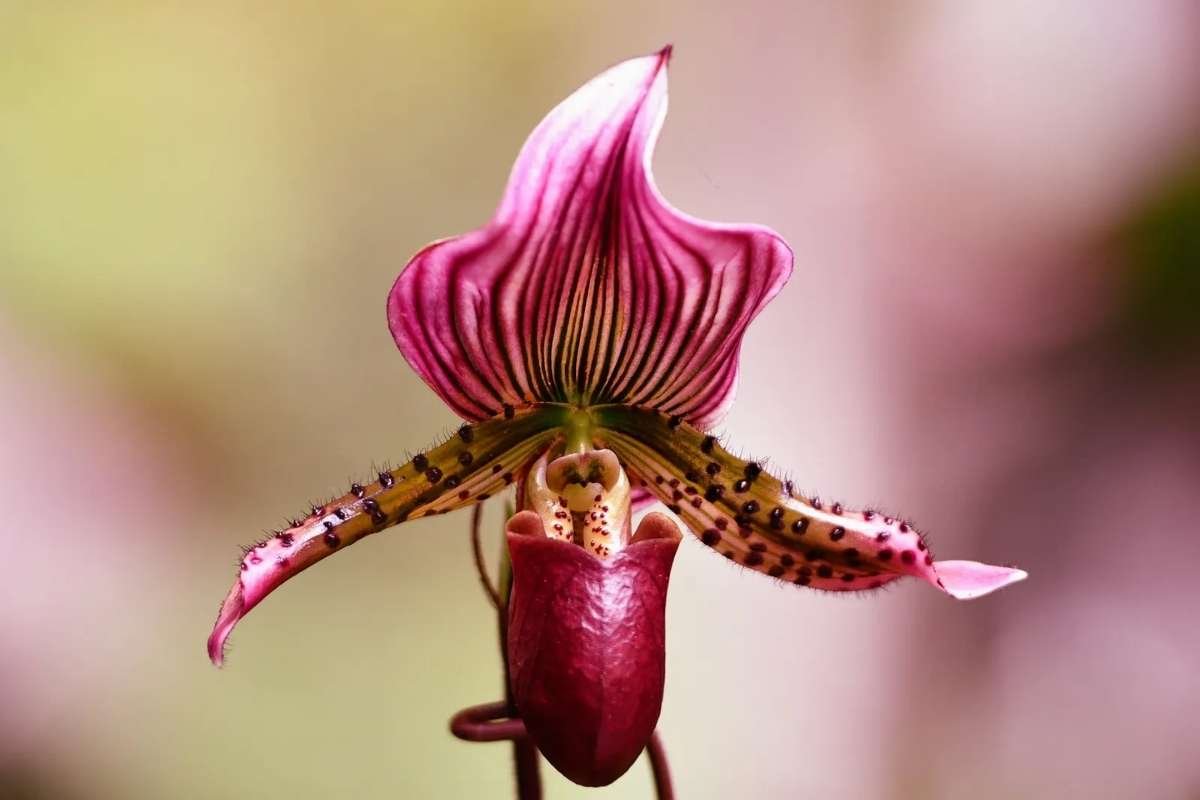
Developed through years of scientific precision, this orchid represents botanical craftsmanship at its finest. It grows slowly and unpredictably, with each bloom showcasing perfect petal symmetry and gentle pastel shades. Because it was developed entirely by human hands and blooms rarely, collectors treat it as a museum-worthy achievement rather than a simple plant.
This man-made orchid is not directly used in traditional medicine, but orchids in general contain compounds known for immune-supporting and anti-inflammatory effects. In Chinese herbal practices, related species promote vitality and balance. Its botanical lineage ties it to plants used for skin nourishment and overall wellness.
3. Juliet Rose
| Price | $3 million (development cost) |
| Origin | United Kingdom |
| Rarity | Took 15 years to cultivate |
| Cultural Significance | Symbol of romance and luxury |
| Scientific Name | Rosa (Juliet variety) |
| Blooming Season | Early summer |
| Uses | Royal weddings, premium décor |
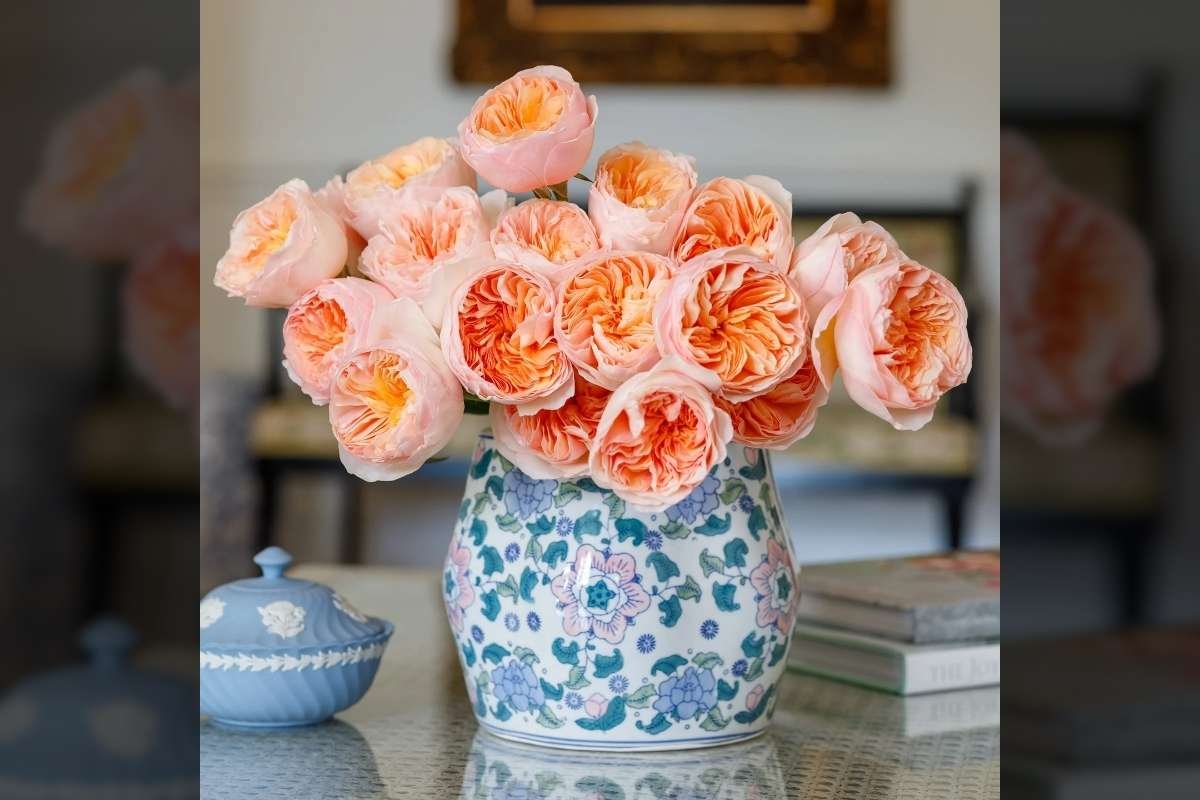
The Juliet Rose, known for its apricot tones and beautifully layered rosette petals, has earned a place among the most expensive flowers in the world. Developed through over ten years of careful, selective breeding, it resembles a meticulously crafted work of art. Its graceful scent and romantic aura make it a beloved centerpiece in high-end weddings and luxury floral arrangements.
Rose extracts are widely valued for their anti-inflammatory, antioxidant, and skin-soothing properties. Aromatherapists use rose scents to ease stress, headaches, and emotional discomfort. Herbal infusions from rose petals support hydration and improved digestion.
4. Gold of Kinabalu Orchid
| Price | $6,000 per stem |
| Origin | Malaysia |
| Rarity | Extremely rare, protected species |
| Cultural Significance | Malaysian national treasure |
| Scientific Name | Paphiopedilum rothschildianum |
| Blooming Season | April–May |
| Uses | Conservation, botanical research |
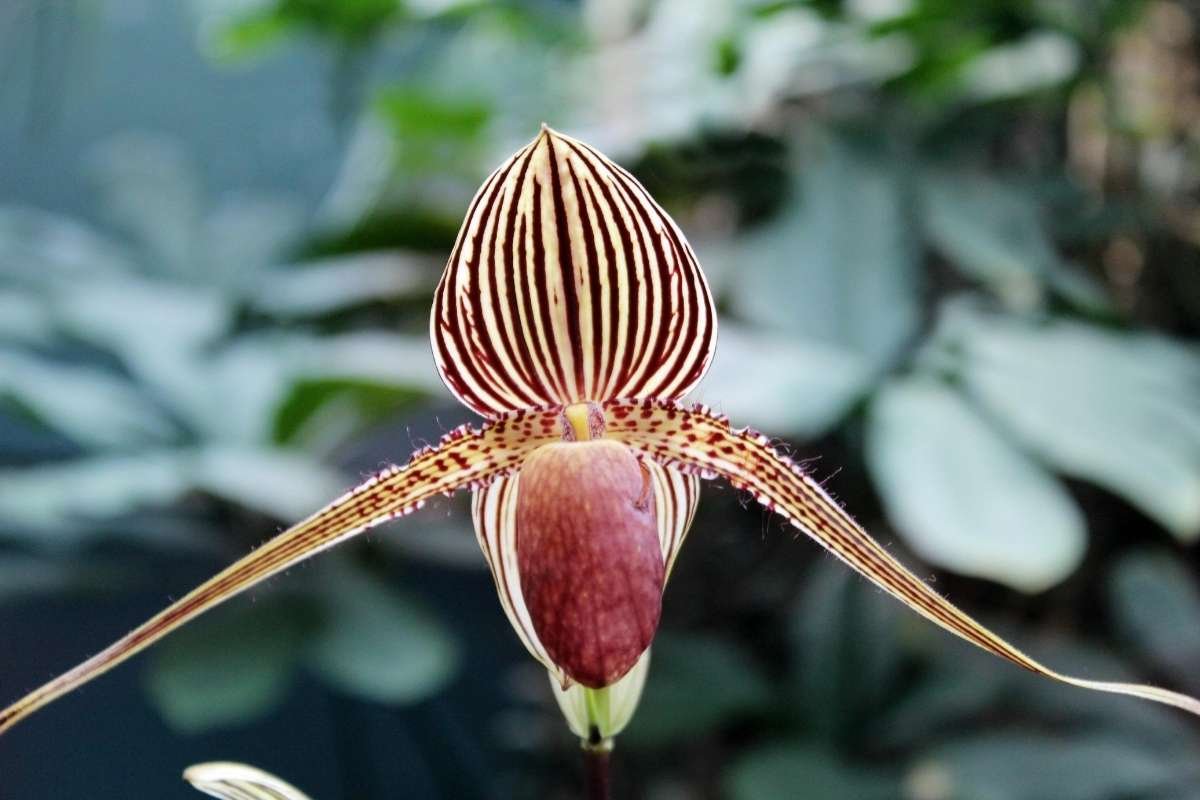
Found only at high altitudes in Malaysia, this orchid is known for its dramatic green petals decorated with striking maroon spots. It demands precise humidity, temperature, and elevation conditions nearly impossible to replicate elsewhere. Because it blooms infrequently and grows slowly, spotting a fresh bloom in the wild is considered a once-in-a-lifetime moment for botanists.
Although protected and not used medicinally, the orchid family contains bioactive compounds known to boost immunity and reduce fatigue. Related species have been used for joint support and detoxification in traditional remedies. Its close lineage associates it with herbs that promote overall vitality.
5. Saffron Crocus
| Price | $1,500 per pound (spice value) |
| Origin | Mediterranean |
| Rarity | Requires 75,000 flowers for 1 lb of saffron |
| Cultural Significance | Culinary, medicinal, ritualistic |
| Scientific Name | Crocus sativus |
| Blooming Season | Fall |
| Uses | Spice, medicine, perfume |
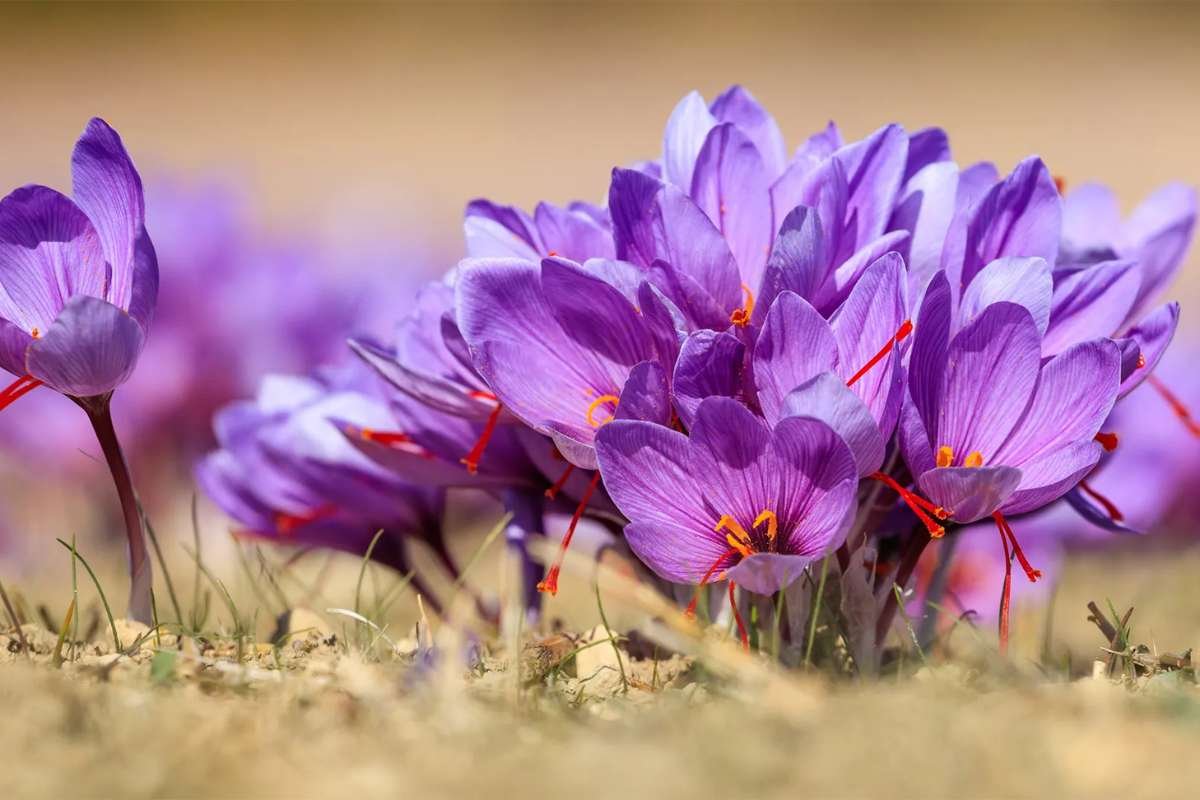
Growing in select climate zones, the Saffron Crocus is connected to the most expensive flowers in the world because each tiny bloom yields only three delicate stigmas. These must be harvested by hand at dawn, making saffron one of the costliest substances produced from a flower. The deep crimson threads are prized for culinary, medicinal, and cultural uses, giving the flower a legacy that spans continents and civilizations.
Saffron is one of the most researched medicinal botanicals in the world. It supports mood balance, improves digestion, enhances vision, and reduces PMS symptoms. Rich in antioxidants, it also contributes to heart and brain health in traditional and modern medicine.
6. Lisianthus
| Price | $35–50 per stem |
| Origin | North America |
| Rarity | High due to short lifespan post-harvest |
| Cultural Significance | Symbolizes gratitude |
| Scientific Name | Eustoma grandiflorum |
| Blooming Season | Summer |
| Uses | Luxury floral arrangements |
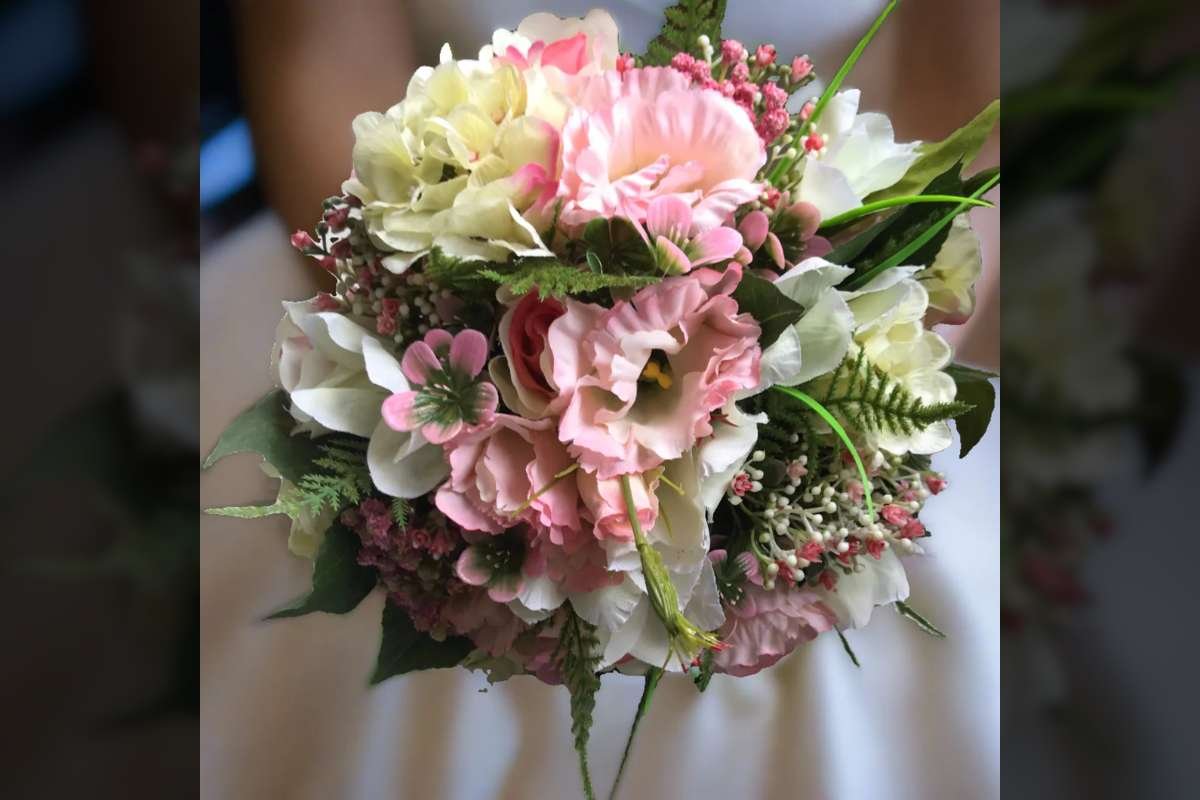
The Lisianthus is appreciated for its silky, rose-like petals that unfold gently into soft, elegant layers. It is notoriously tricky to grow, requiring consistent temperatures and nutrient-rich soil. Even after harvest, the blooms must be handled carefully to avoid bruising. This delicate nature is exactly what makes Lisianthus a favorite in high-end floral arrangements and luxury event décor.
Lisianthus itself is not commonly used in medicine, but related species offer mild antimicrobial and antioxidant benefits. Its gentle floral scent is associated with emotional relaxation. Some cultures use extracts from similar plants to support skin and respiratory well-being.
7. Gloriosa Lily
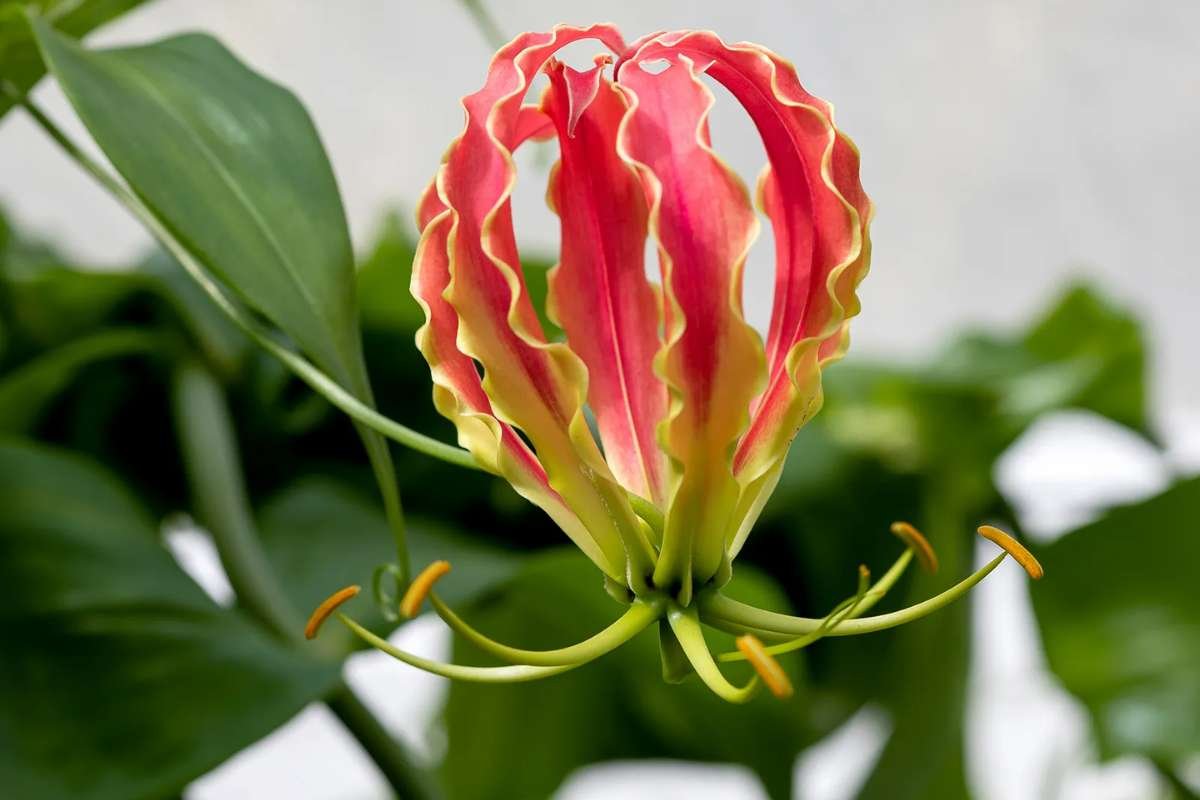
| Price | $10 per stem |
| Origin | Africa & Asia |
| Rarity | Sensitive growing requirements |
| Cultural Significance | Signifies passion and success |
| Scientific Name | Gloriosa superba |
| Blooming Season | Summer |
| Uses | Ornamental décor |
The Gloriosa Lily dazzles with flame-like petals in bright red, gold, and orange, earning it recognition among the most expensive flowers in the world. As a climbing vine, it attaches itself to trees and structures, creating a striking visual display. Because of its unpredictable blooming and delicate handling needs, it’s often used as a bold statement element in premium floral arrangements.
Traditionally used in African and Indian herbal medicine, Gloriosa has applications for treating inflammation, arthritis, and skin issues. However, the plant is highly toxic, making trained handling essential. Despite its risks, controlled extracts have played roles in historic medicinal practices.
8. Gardenia
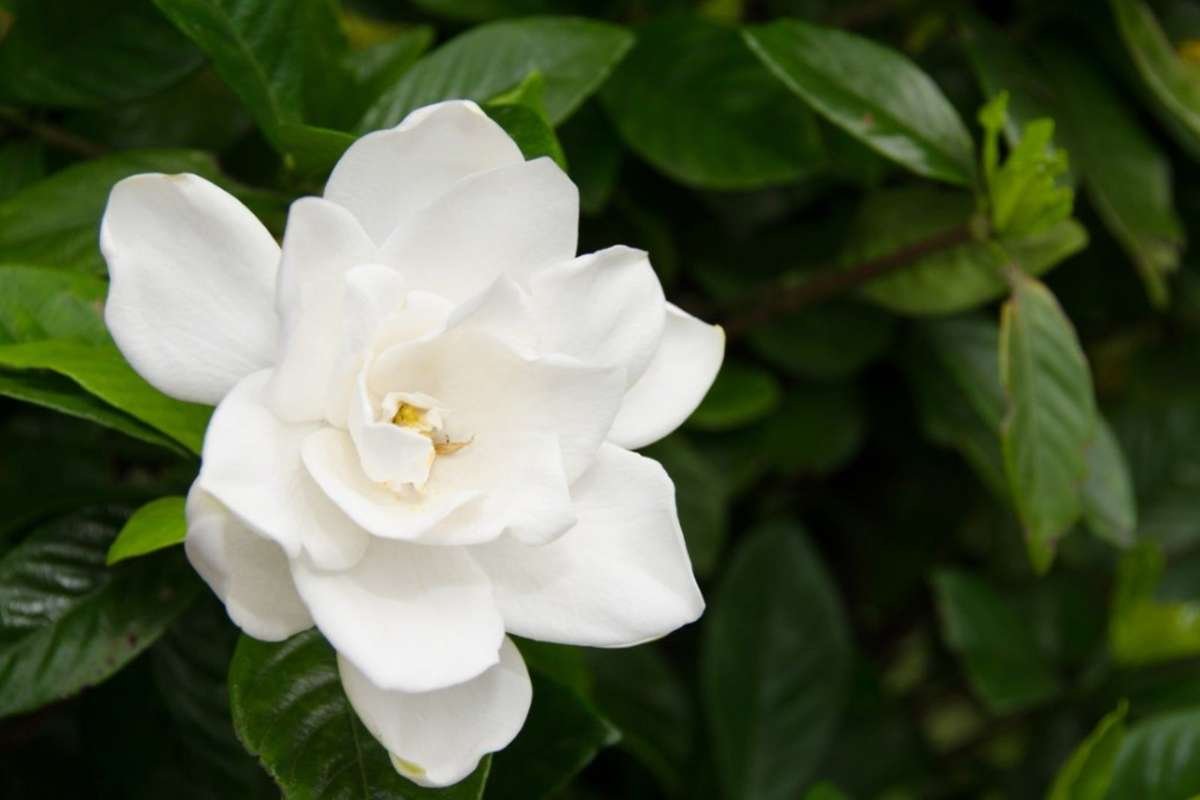
| Price | $20–30 per bloom |
| Origin | Asia & Africa |
| Rarity | Extremely delicate; difficult to ship |
| Cultural Significance | Purity, elegance |
| Scientific Name | Gardenia jasminoides |
| Blooming Season | Spring–Summer |
| Uses | Perfume, wedding florals |
Gardenias are beloved for their creamy petals and intoxicating fragrance that fills entire rooms. Their purity and softness make them popular in luxury weddings, but they are extremely sensitive to heat and touch. Even a slight temperature shift can cause browning, which increases the challenge and cost of delivering perfect blooms to high-end clients.
Gardenia is widely used in traditional Chinese medicine for reducing inflammation and lowering fever. Its extracts are known to support liver health, improve sleep, and reduce stress. Gardenia-based treatments also appear in skincare for brightening and soothing the skin.
9. Chocolate Cosmos
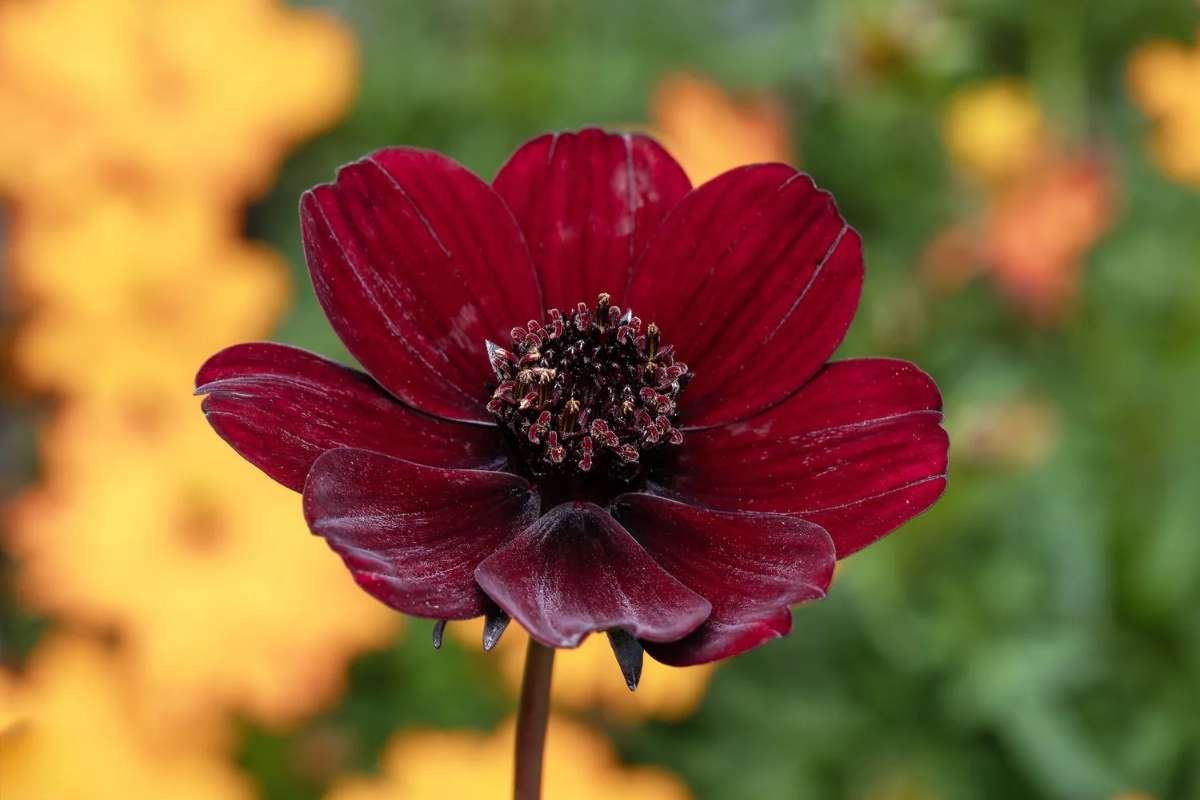
| Price | Rare; limited availability |
| Origin | Mexico |
| Rarity | Extinct in the wild, grown only through cloning |
| Cultural Significance | Adored for its chocolate-like scent |
| Scientific Name | Cosmos atrosanguineus |
| Blooming Season | Summer |
| Uses | Ornamental, niche collectors |
With its velvety maroon petals and distinct chocolate aroma, this flower has become a symbol of rarity and delicate preservation. Cloned to survive after disappearing from the wild, each bloom carries the story of a species nearly lost. Its rich color and warm fragrance make it a favorite among collectors, placing it firmly among the most expensive flowers in the world.
Chocolate Cosmos itself has limited medicinal use, but related Cosmos species help soothe digestive discomfort and coughs. Historically, the plant family has been used for mild skin treatments. Its natural aroma also provides mood-lifting and calming effects.
10. Middlemist’s Red
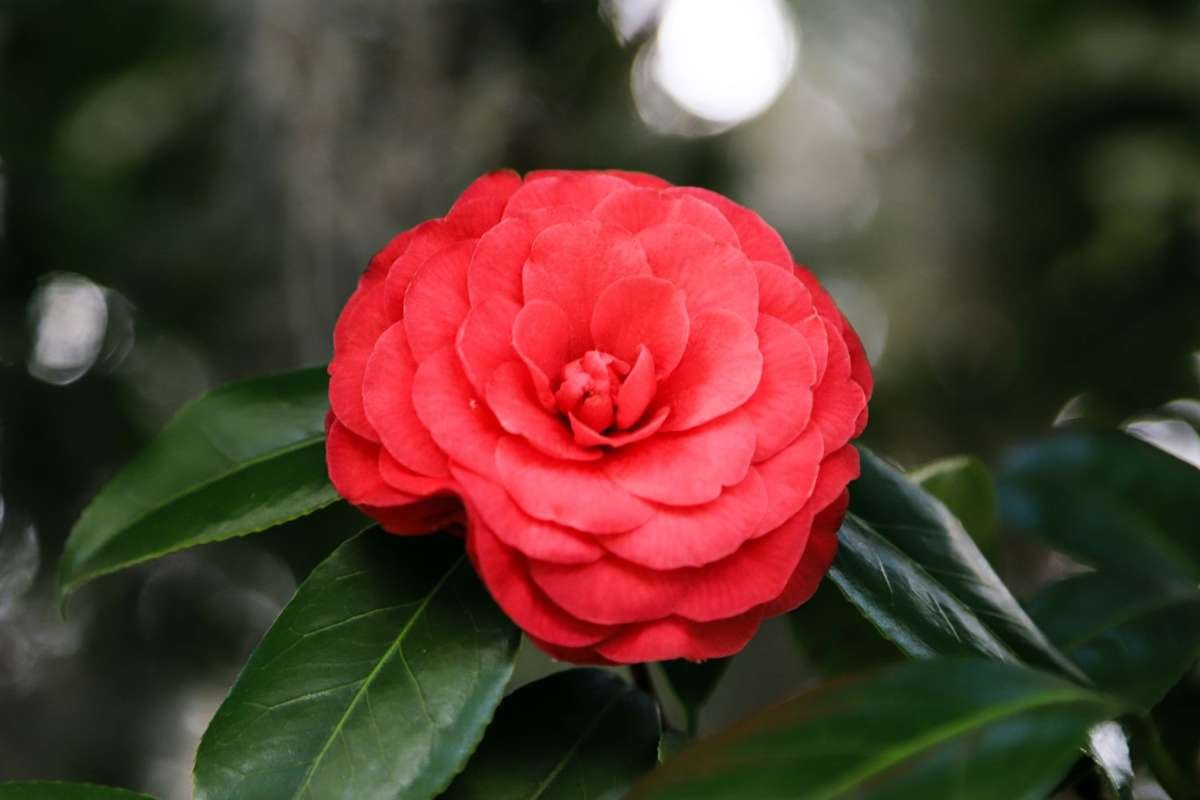
| Price | ~$4,400 |
| Origin | China & New Zealand |
| Rarity | Nearly extinct |
| Cultural Significance | Symbol of exclusivity |
| Scientific Name | Camellia japonica |
| Blooming Season | Winter–Spring |
| Uses | Botanical conservation |
With only two known plants in existence, Middlemist’s Red is a floral rarity that borders on legendary. Its bright rose-red petals resemble finely layered camellias, and its extreme scarcity has made it a symbol of global botanical conservation. For flower lovers, simply seeing one in bloom is considered a privilege, as the plant remains carefully protected in private and botanical gardens.
Related camellia species are known for their antioxidant and anti-inflammatory properties. Camellia extracts support heart health, digestion, and skin rejuvenation. The flower’s lineage ties it to teas and herbal remedies used for centuries across Asia.
Read Next:
- You Won’t Believe How Much These 10 Spices Cost! The Most Expensive Spices in the World Revealed
- 10 Surprising Benefits of Dragon Fruit You’ve Never Heard of
Conclusion
The world of rare blooms proves that flowers are far more than decorative elements; they are living treasures shaped by nature, science, and cultural history. From blossoms that vanish before sunrise to orchids that bloom once in several years, the most expensive flowers in the world remind us how delicate, scarce, and extraordinary nature can be.
Their value comes not just from rarity or beauty, but from the stories, ecosystems, and human craftsmanship behind them. Whether admired for scientific innovation, spiritual symbolism, or breathtaking form, these flowers inspire awe and highlight the importance of preserving our planet’s most fragile botanical wonders.