Key Points:
- Spain bird flu: From Nov. 10, poultry in high-risk areas must stay indoors to prevent the virus from spreading.
- Tightened Biosecurity: Outdoor breeding and shared water with wild birds are banned to curb infections.
- Europe-Wide Action: Spain joins France, Ireland, and the UK in similar measures as bird flu cases rise.
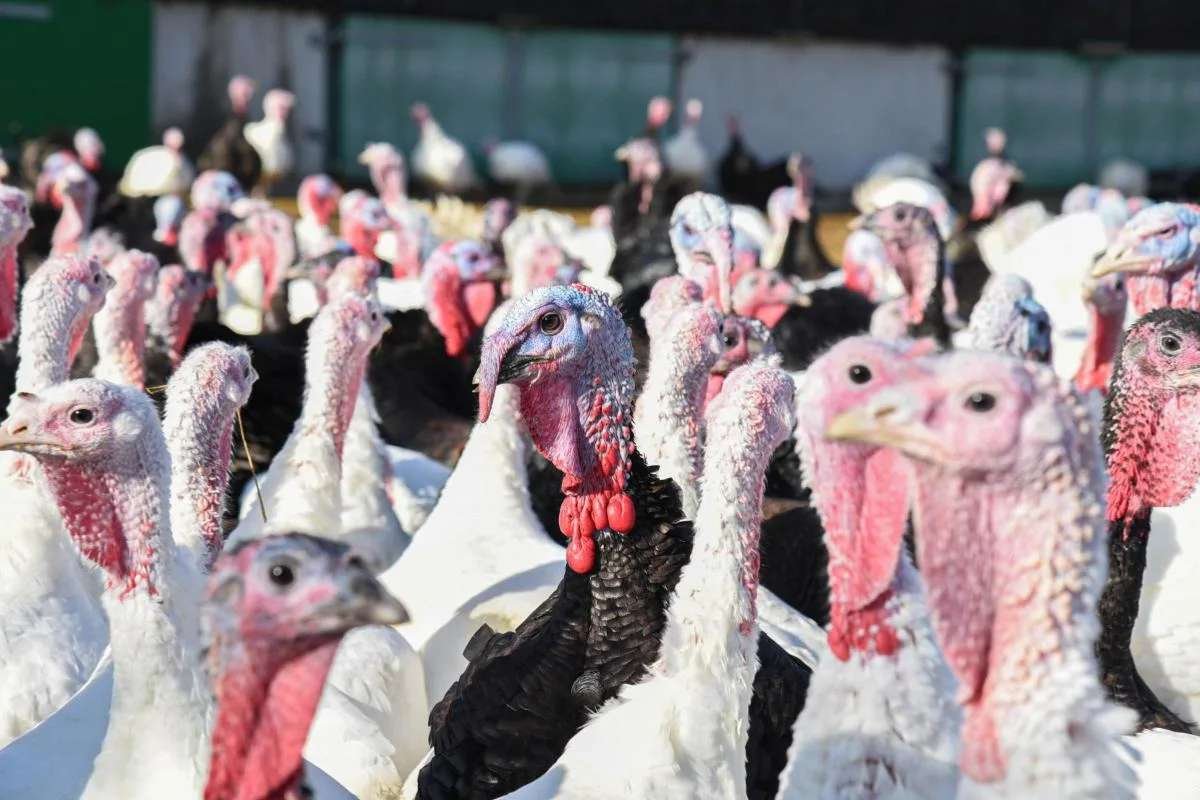
Spain’s Ministry of Agriculture announced on Nov. 6 that poultry in high-risk areas must be kept indoors starting Nov. 10 to prevent the spread of Spain bird flu. The order follows a rise in outbreaks across Europe and several new local cases, prompting authorities to tighten biosecurity controls.
New rules to limit exposure
The ministry said the measures are precautionary, introduced after the risk level increased in recent weeks due to growing infections among wild and domestic birds in northern and central Europe. Under the new rules, outdoor breeding of poultry will be prohibited, and farmers must prevent shared water sources with wild birds. The use of ducks and geese alongside other species will also be restricted.
The ministry explained that these actions are designed to reduce the contact between domestic flocks and migratory birds, which are known carriers of Spain bird flu. The seasonal return of wild birds to Europe during the colder months has historically led to a higher risk of transmission.
Wider European response
Spain’s decision aligns with similar steps taken by other European nations. In recent weeks, Ireland, France, and Britain have issued confinement orders for poultry as the number of Spain bird flu cases continues to grow across the continent. The European Food Safety Authority has reported an uptick in detections of highly pathogenic avian influenza (HPAI) since early autumn.
Officials in France and the United Kingdom have also reinforced surveillance and introduced temporary bans on outdoor poultry farming in certain regions. The coordinated response aims to protect poultry industries from large-scale outbreaks that could result in culling, trade restrictions, and economic losses.
Economic and health considerations
Spain ranks among Europe’s largest poultry producers, with the sector playing a significant role in its agricultural economy. Authorities said maintaining production safety and export credibility is essential, particularly as European poultry exports face scrutiny over animal health standards.
Although the risk to humans remains low, health experts emphasize continued monitoring. The World Health Organization has noted that bird flu primarily affects birds, but certain strains can infect humans through close contact with infected animals. No human cases have been reported in Spain.
Preparedness and next steps
Regional agricultural departments have been instructed to increase inspections and ensure farmers comply with the new indoor requirements. The ministry said it will continue coordinating with European health agencies to track the spread of Spain bird flu and adjust restrictions as needed.
The precautionary measures will stay in place until further notice, depending on surveillance results and the evolution of the disease across Europe. Authorities urged poultry owners to report any signs of illness in their flocks immediately to contain possible outbreaks early.
Spain’s agriculture ministry said it remains committed to protecting both the poultry industry and public health as bird migration patterns continue to influence the spread of avian influenza through the winter months.