Ever wondered how many ribs does the human body have? It’s a question that has fascinated scientists, students, and even casual anatomy enthusiasts for centuries, often sparking myths and misunderstandings along the way. A common belief, for instance, claims that men have fewer ribs than women, but science tells a very different story.
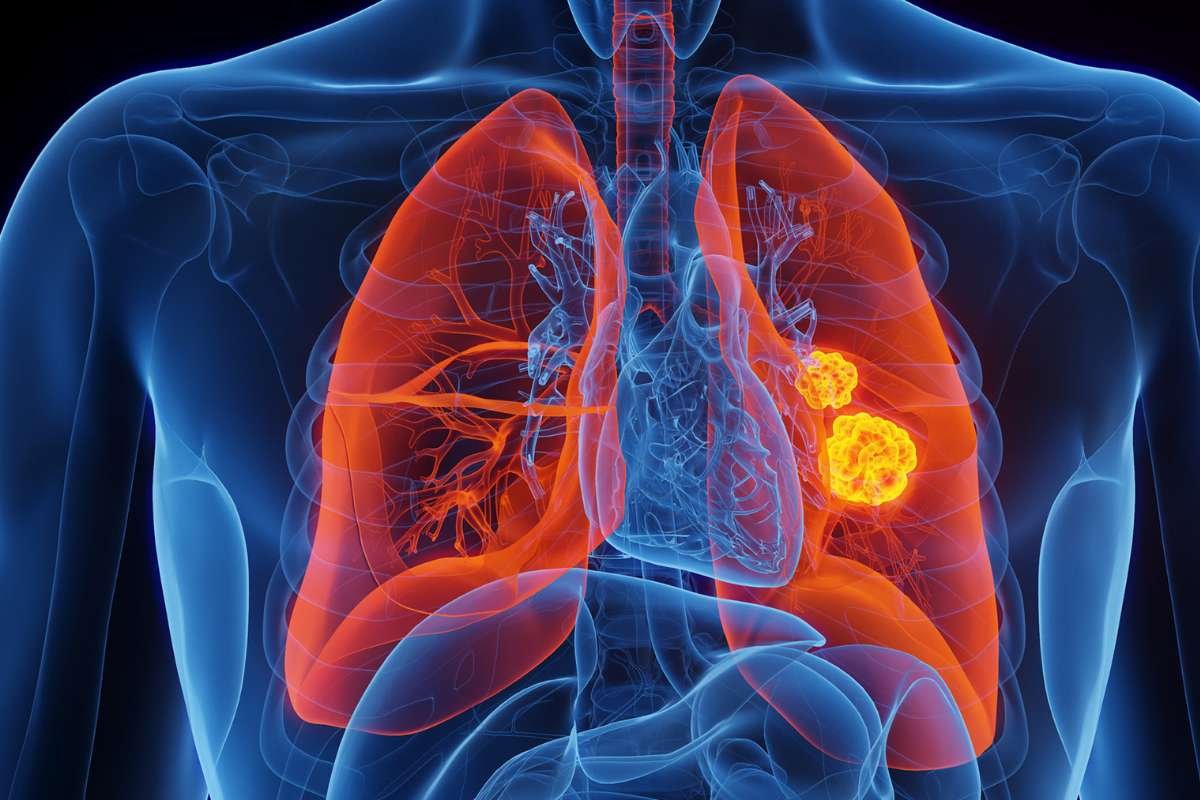
According to medical data, the human body typically forms a flexible yet protective cage around vital organs like the heart and lungs. These ribs aren’t just bones; they’re structural marvels that expand and contract every time we breathe, supporting the lungs through nearly 20,000 breaths per day. Each rib serves a purpose, from stabilizing the thoracic cavity to shielding delicate organs from injury.
What’s even more fascinating is that some people are born with extra ribs, known as supernumerary ribs, while others might have one or two fewer due to genetic variation. In rare cases, these additional ribs can lead to medical conditions like thoracic outlet syndrome, where nerves or blood vessels become compressed.
In this blog, we’ll explore the exact number of ribs in the human body, how they’re classified, why some people have more (or fewer), and debunk the long-standing myth about gender differences in rib count. So, let’s dive into the incredible anatomy that quite literally holds us together, our ribs.
Basic Anatomy: Number of Ribs in Humans
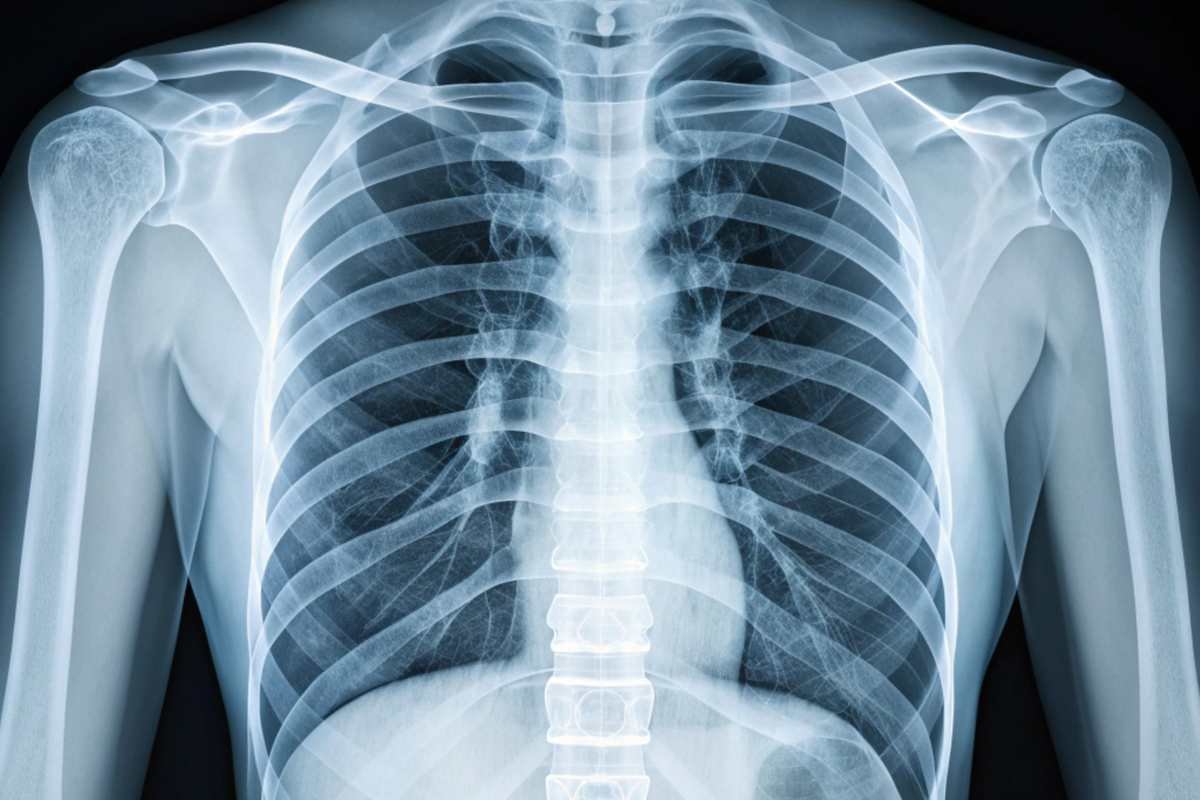
The human ribcage is a remarkable structure, carefully designed to protect vital organs while allowing flexibility for movement and breathing. In most people, the ribcage consists of 24 ribs, arranged in 12 pairs, one set on the left and one on the right side. This symmetrical arrangement ensures that both sides of the body are equally supported and balanced.
If you’ve ever wondered how many ribs does the human body have, the answer is 24 in most cases, forming a protective yet flexible cage for the heart, lungs, and other vital organs.
Each rib is counted as part of a pair, meaning the first rib on the left corresponds to the first rib on the right, the second rib to the second on the opposite side, and so on. This is important terminology in anatomy, often referred to as the “rib count”, which helps doctors, anatomists, and students accurately describe locations or injuries within the thoracic cavity.
While the total number of ribs is generally consistent, slight variations can occur due to genetic factors or developmental differences. Understanding this basic anatomy lays the foundation for exploring the classification of ribs, how they function, and why some people may have extra or fewer ribs, a topic we’ll dive into next.
Classification of Ribs
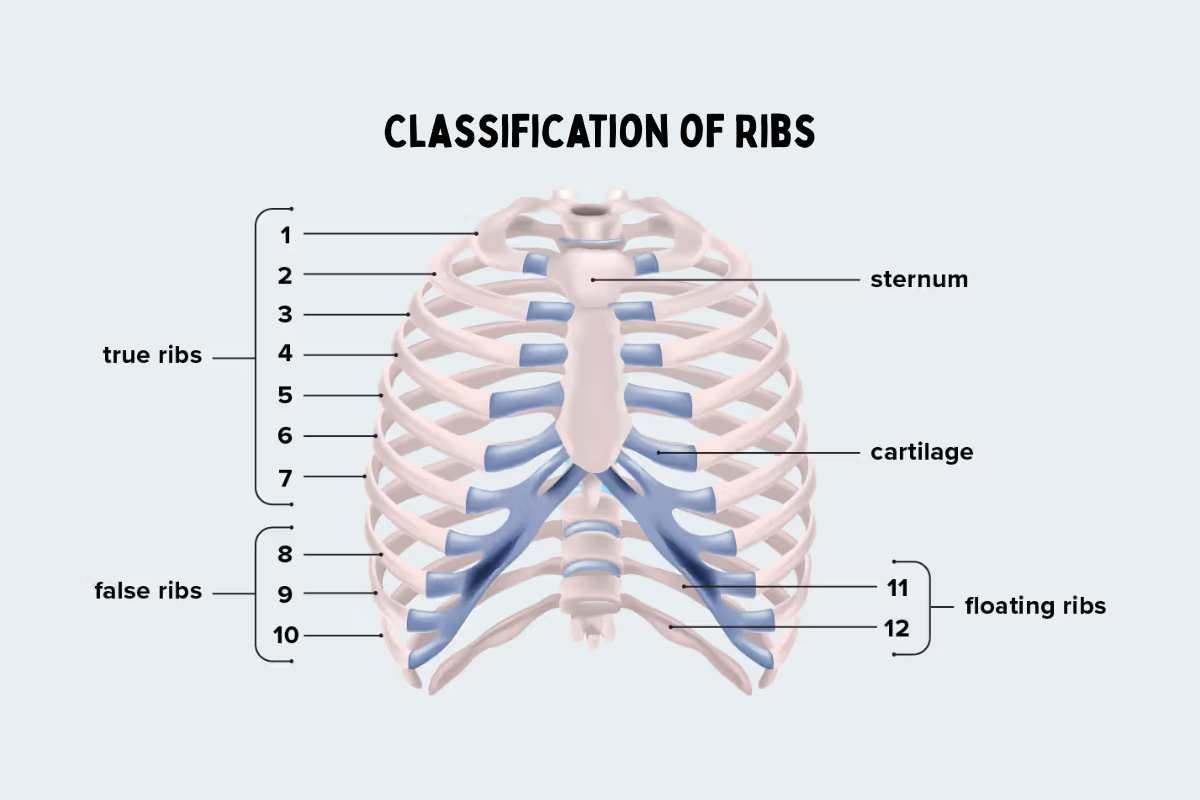
Not all ribs are created equal. In the human body, the 24 ribs are classified into three main types based on how they attach to the sternum and their role in the ribcage: true ribs, false ribs, and floating ribs. Understanding these classifications helps answer the question of how many ribs does the human body have and why each rib plays a unique role in our anatomy.
1. True Ribs (Ribs 1–7):
These are the first seven pairs of ribs and are directly connected to the sternum through their own costal cartilage. True ribs provide strong structural support and protect vital organs like the heart and upper lungs.
2. False Ribs (Ribs 8–10):
The next three pairs do not attach directly to the sternum. Instead, they connect indirectly via cartilage to the rib above them. While slightly more flexible than true ribs, they still contribute significantly to the protective cage of the thorax.
3. Floating Ribs (Ribs 11–12):
The last two pairs are called floating ribs because they do not connect to the sternum at all, only to the vertebrae at the back. These ribs provide less protection but allow greater flexibility and movement of the lower thorax.
Interestingly, the length, shape, and angle of ribs can vary between individuals, adding another layer of uniqueness to the human ribcage. Some people even have extra ribs (cervical or lumbar ribs), while others may have one or two fewer, demonstrating that nature doesn’t always follow the textbook perfectly.
By understanding the classification of ribs, we get a clearer picture of the rib count and the vital functions each type of rib performs, from protecting organs to facilitating breathing.
Anatomical Variations & Abnormal Rib Counts
While most humans have 24 ribs, variations are more common than many realize. These differences can answer intriguing questions about how many ribs does the human body have and why some people deviate from the typical count.
1. Supernumerary Ribs (Extra Ribs)
Some individuals are born with extra ribs, known as supernumerary ribs. The most common type is the cervical rib, which emerges from the seventh cervical vertebra (C7) near the neck. Cervical ribs occur in roughly 0.5–1% of the population and are usually harmless, though they can sometimes compress nerves or blood vessels, leading to thoracic outlet syndrome.
2. Lumbar Ribs
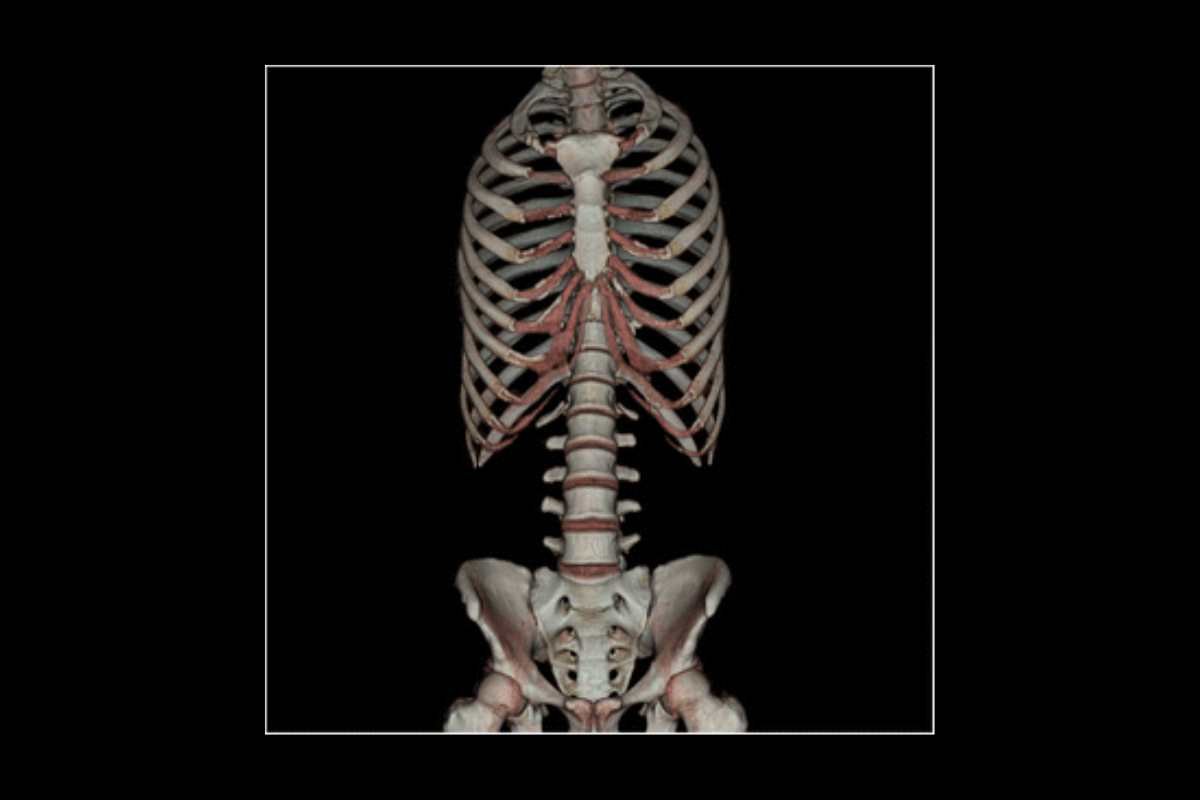
Less common than cervical ribs, lumbar ribs appear in the lower back near the lumbar vertebrae. They are typically asymptomatic and often discovered incidentally during imaging for unrelated conditions.
3. Fewer Ribs
In rare cases, individuals may have one or two fewer ribs due to congenital factors. While this may not impact health significantly, it can affect thoracic symmetry or lung capacity in some people.
These anatomical variations demonstrate that rib counts aren’t always straightforward. Even though textbooks state a “standard” number, how many of ribs the human body has can differ slightly from person to person, showcasing the remarkable diversity in human anatomy.
Understanding these variations is not only fascinating but also important for medical professionals, especially when interpreting X-rays, planning surgeries, or diagnosing conditions related to rib anomalies.
Ribs in Males vs Females: Myth vs Reality
A longstanding myth suggests that men have fewer ribs than women, a belief often traced back to the biblical story of Adam and Eve. In reality, anatomical studies confirm that both men and women typically have 24 ribs, arranged in 12 pairs. So, if you’ve ever wondered how many ribs does the human body have based on gender, the answer is the same for both sexes.
There are minor differences, however, in the prevalence of certain rib anomalies. For instance, cervical ribs, extra ribs arising from the neck vertebra, appear slightly more often in females than males, but this is a rare exception rather than the rule.
Understanding this distinction is important because myths about rib counts have persisted for centuries, influencing cultural beliefs and even medical misunderstandings. Modern anatomy and imaging technologies have conclusively shown that gender does not determine the number of ribs, reaffirming the consistency of the human ribcage while highlighting the few rare variations that can occur.
This clarity allows us to focus on the function and classification of ribs, rather than myths, providing a more accurate understanding of human anatomy.
Functions of the Ribs
Ribs are much more than bones; they are vital components of the human body that protect, support, and enable movement. Understanding their roles answers not just how many ribs does the human body have, but also why each rib is essential for health and survival.
1. Protection of Vital Organs
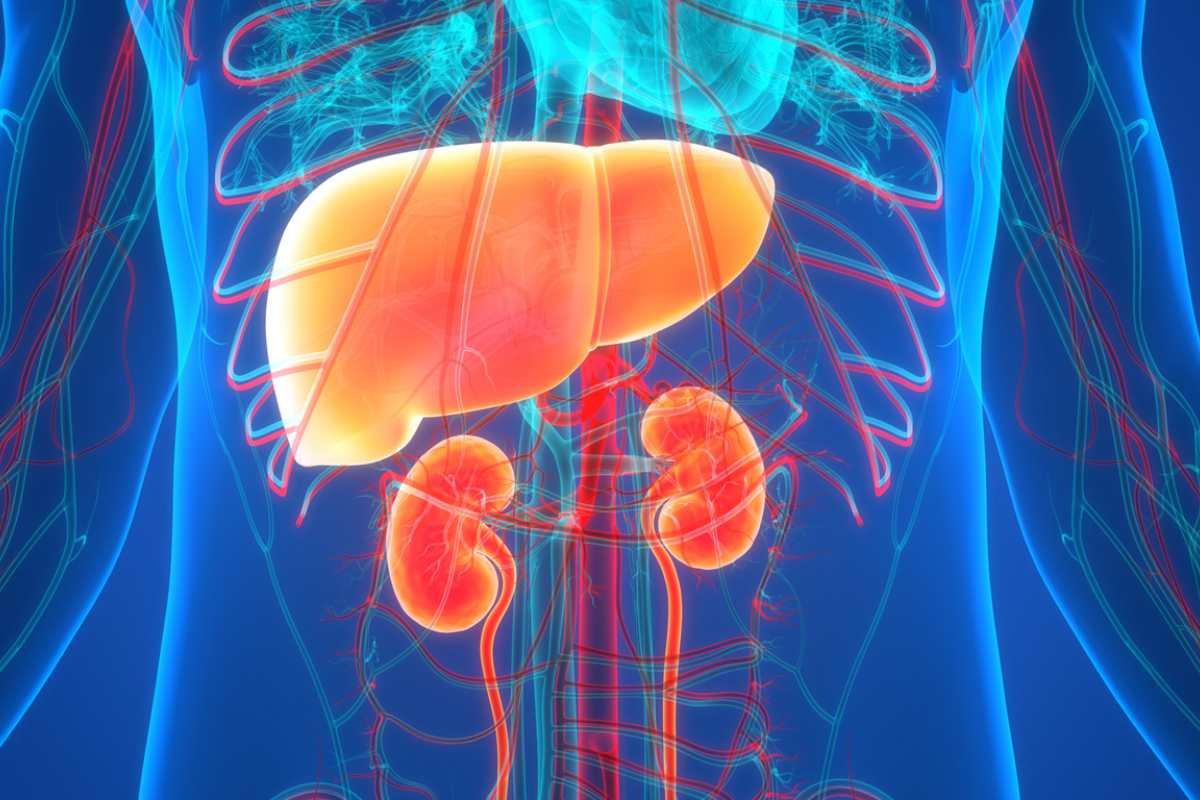
The ribcage forms a sturdy shield around critical organs like the heart, lungs, and portions of the liver and spleen. This protective function is crucial, as injuries to these organs can be life-threatening.
2. Structural Support
Ribs provide a framework that maintains the shape and integrity of the thorax. They anchor muscles of the chest, back, and shoulders, allowing humans to perform a wide range of movements from lifting and twisting to bending.
3. Role in Breathing
The ribcage is not rigid; its flexibility is key to respiration. Every time we inhale and exhale, the ribs move slightly outward and upward, expanding the thoracic cavity and allowing the lungs to fill with air. On average, an adult takes around 17,000 to 23,000 breaths per day, and the ribs play a central role in this continuous process.
4. Interaction with Muscles and Other Structures
Ribs serve as attachment points for various muscles, including intercostal muscles between the ribs, which aid in breathing, and abdominal muscles that support posture and movement.
By performing these functions, ribs ensure both protection and mobility, making them indispensable to human life. They are not just skeletal structures but dynamic participants in our day-to-day survival.
Also Read:
- Understanding Thoracic Vertebrae: Anatomy, Function, and Common Disorders
- Understanding the External Abdominal Oblique: Anatomy, Function, and Exercises
- Pectoralis Major Strain: Causes, Symptoms, Treatment, and Prevention
Clinical Aspects: Broken Ribs, Flail Chest & Complications
While ribs are designed to protect vital organs, they are not immune to injury. Understanding how many ribs does the human body has also helps medical professionals assess trauma and plan treatment when accidents occur.
1. Broken or Fractured Ribs
Rib fractures are one of the most common chest injuries, often caused by falls, car accidents, or severe coughing. The 4th to 10th ribs are most frequently fractured due to their position and exposure. Symptoms typically include sharp pain, especially when breathing deeply, and sometimes visible bruising or swelling.
2. Flail Chest
A severe condition known as flail chest occurs when multiple adjacent ribs are broken in more than one place, causing a segment of the chest wall to move independently. This can seriously impair breathing and may lead to lung collapse or other complications, making immediate medical attention critical.
3. Potential Complications
Broken ribs can sometimes puncture or damage underlying organs such as the lungs or spleen. Pneumothorax (air in the chest cavity), hemothorax (blood accumulation), and lung contusions are potential risks that highlight the protective importance of the ribcage.
Recognizing rib injuries and their implications emphasizes the functional importance of ribs beyond mere structure. Even a single fractured rib can significantly affect breathing and mobility, underscoring how vital it is to protect these 24 bones that form the human thorax.
Conclusion
The human ribcage is a fascinating blend of structure, flexibility, and protection. Typically consisting of 24 ribs arranged in 12 pairs, these bones safeguard vital organs, support movement, and enable breathing, performing thousands of crucial actions every day. While most people have the standard rib count, anatomical variations like extra or missing ribs highlight the diversity in human anatomy.
By understanding how many ribs does the human body have, their classifications, functions, and potential clinical complications, we gain a deeper appreciation for this remarkable skeletal system. Whether debunking myths about gender differences or exploring medical anomalies, the ribs remind us of the intricate design and resilience of the human body.
FAQs About Human Ribs
1. How many ribs does the human body have?
Most humans have 24 ribs, arranged in 12 pairs, one on each side of the chest. These include true ribs, false ribs, and floating ribs.
2. Do men and women have a different number of ribs?
No. Both men and women typically have the same number of ribs. Myths suggesting otherwise are incorrect and have no scientific basis.
3. Can humans have extra ribs?
Yes. Some people are born with supernumerary ribs, like cervical or lumbar ribs. These extra ribs are rare and usually harmless, though they can occasionally cause medical issues.
4. What are floating ribs?
Floating ribs are the last two pairs of ribs (11th and 12th) that do not attach to the sternum. They provide flexibility to the lower thorax but offer less protection than true ribs.
5. Can ribs heal if fractured?
Yes. Broken ribs usually heal on their own within 6–8 weeks. However, multiple fractures, like in flail chest, may require medical intervention due to risks to the lungs and other organs.