Key Points:
- Australia approves first chlamydia vaccine for koalas.
- Vaccine could cut deaths by 65%.
- AU$70M boosts koala conservation efforts.
Breakthrough Injection Expected to Save Endangered Marsupials from Fatal Disease. Australia has approved a single-dose Koala chlamydia vaccine, marking a breakthrough in the fight to protect the endangered marsupials from one of their deadliest threats. The disease, which spreads through mating or close contact, can cause blindness, infertility, severe urinary tract infections, and often death.
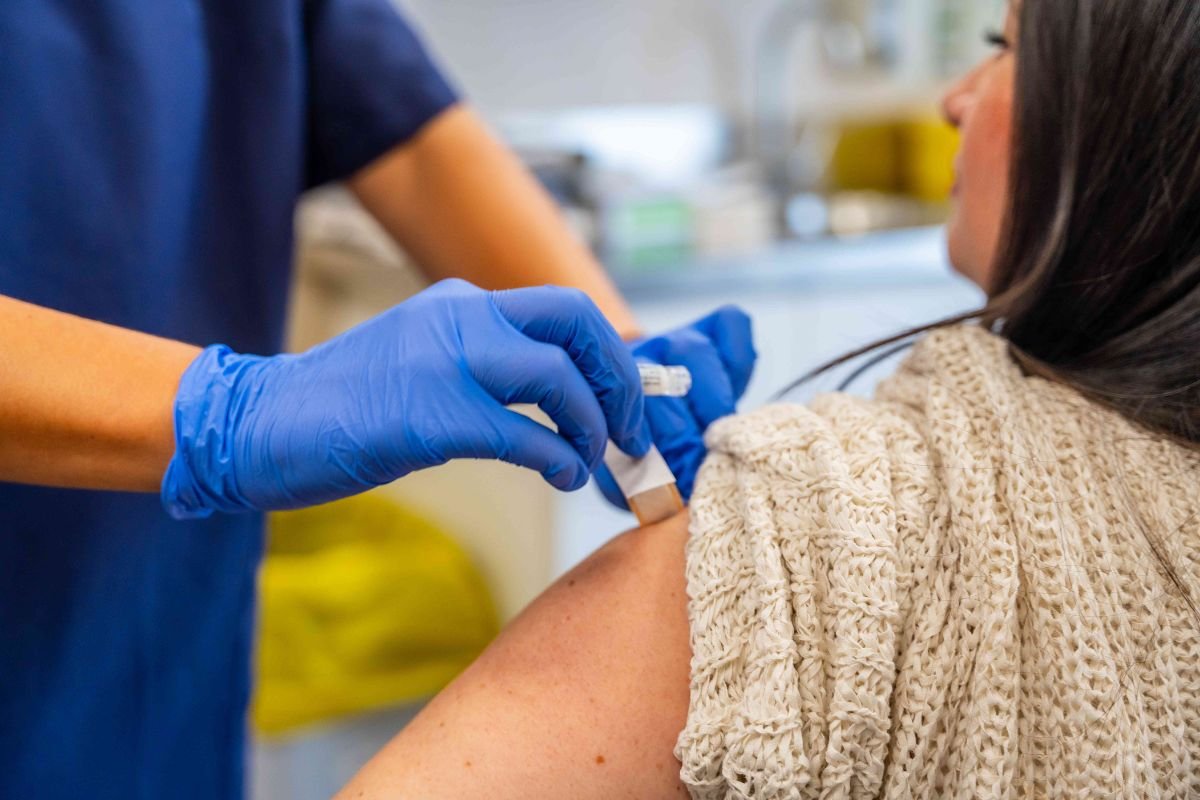
The Koala chlamydia vaccine, developed after more than a decade of research, will be rolled out across wildlife hospitals, veterinary clinics, and conservation sites in Australia. Scientists expect it to significantly reduce deaths linked to the disease, which accounts for nearly half of all fatalities among wild koalas.
A Decade of Research Leads to Breakthrough
Researchers at the University of the Sunshine Coast in Queensland spearheaded the development of the Koala chlamydia vaccine. Professor Peter Timms, a microbiologist at the university, said the injection provides multiple levels of protection.
“It offers three levels of protection—reducing infection, preventing progression to clinical disease, and in some cases, reversing existing symptoms,” Timms explained. Trials have shown promising results, with scientists estimating the vaccine could cut deaths in wild populations by at least 65%.
Treating infected koalas with antibiotics has long been problematic. While the drugs can eliminate the infection, they also destroy gut bacteria critical for digesting eucalyptus leaves, the sole food source for koalas. Without these microbes, many animals suffer from starvation, highlighting the urgent need for a safer solution.
Koalas Face Multiple Threats Beyond Disease
Chlamydia is not the only challenge threatening koala survival. Habitat destruction from climate change, urban expansion, and bushfires continues to shrink their living space. The World Wide Fund for Nature has warned that these pressures, combined with high infection rates, could devastate already fragile populations.
In parts of Queensland and New South Wales, chlamydia infection rates hover around 50% and have reached up to 70% in some areas. In 2022, koalas were officially classified as endangered in Queensland, New South Wales, and the Australian Capital Territory.
Estimates from the national koala monitoring program suggest that only 95,000 to 238,000 remain in these regions. In Victoria and South Australia, where populations are somewhat more stable, numbers are estimated at 129,000 to 286,000.
Recognizing the scale of the crisis, the Australian government has pledged £37 million (about AU$70 million) to support conservation and prevent extinction. The approval of the Koala chlamydia vaccine is expected to play a critical role in these efforts.
A New Chance for Survival
Wildlife experts say the Koala chlamydia vaccine offers hope not only for individual animals but also for the long-term survival of the species. If widely adopted, the program could stabilize populations and allow conservationists to focus more heavily on protecting and restoring habitats.
“This vaccine could change the trajectory for koalas,” Timms said. “By reducing the toll of chlamydia, we give these animals a fighting chance against the other pressures they face.”
With the rollout underway, conservation groups are optimistic that one of Australia’s most iconic animals now has a stronger safeguard against extinction.
Visit more of our news! The Lifesciences Magazine.