Key Takeaway:
- Dengue cases are rising in Florida: More than 290 locally acquired cases prompt expanded mosquito-control efforts.
- Authorities are increasing spraying: Hillsborough County is expanding aerial and ground treatments to curb transmission.
- Residents can reduce risks: Remove standing water, use insect repellent and wear long-sleeved clothing to prevent mosquito bites.
The Florida dengue outbreak has grown to 296 locally acquired cases, prompting Hillsborough County to expand aerial mosquito spraying and urge residents to eliminate mosquito breeding sites.
Florida dengue outbreak reports hundreds of locally acquired cases
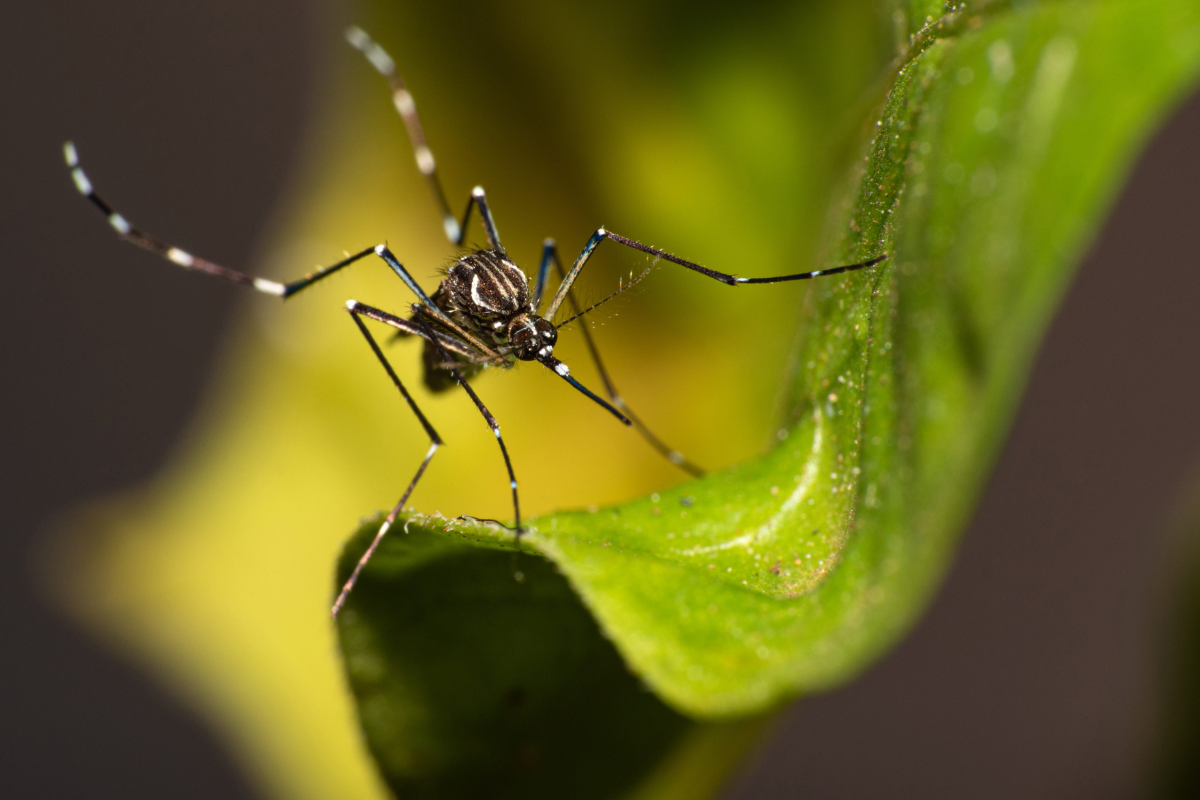
The outbreak is centered in Hillsborough County, where mosquito control teams are increasing treatments to curb the spread of dengue virusThe Florida dengue outbreak is centered in Hillsborough County, where mosquito control teams are increasing treatments to curb the spread of the dengue virus. disease spreads primarily through bites from infected Aedes aegypti mosquitoes, which can breed in small amounts of standing water.
Statewide, Florida had reported 296 locally acquired dengue cases, including 259 in Hillsborough County, according to figures reported by Bay News 9 on Oct. 11 and updated Oct. 12. The outbreak marks an unusual level of local transmission in a state where most dengue cases in the continental United States are typically associated with travel.
Hillsborough County has extended its state of local emergency through Oct. 15 to support efforts to control mosquito populations and protect residents. County officials said mosquito surveillance has detected dengue virus activity in mosquitoes across multiple neighborhoods.
Former Centers for Disease Control and Prevention Director Dr. Robert Redfield discussed the outbreak and prevention measures during an Oct. 14 appearance on Fox News’ “America Reports.”
Officials expand spraying after heavy rains
Local mosquito control teams are deploying ground crews and aircraft to target mosquitoes in affected neighborhoods. Hillsborough County has also brought in assistance from neighboring counties and a private contractor as it increases spraying operations.
Recent heavy rains have heightened concerns about standing water, which provides breeding sites for mosquitoes. Authorities are also conducting neighborhood outreach, distributing information and treating water sources where mosquito larvae may develop.
Riley Tuff, the City of Tampa’s lead emergency planner, warned that even tiny amounts of water can support mosquito breeding.
“The larvae can even form in a bottle cap for a bottle of water,” Tuff told Bay News 9. “You could see dozens of them that can form inside there.”
County officials are asking residents to empty containers, clear clogged drainage areas and remove standing water from yards and outdoor spaces. Mosquito control teams are conducting treatments during both daytime and nighttime hours in targeted areas.
Health officials urge residents to prevent mosquito bites
Dengue can cause fever, severe muscle and joint pain, headache, nausea, vomiting and rash. Symptoms typically begin within two weeks after an infected mosquito bite, according to the CDC. Although many people recover within about a week, severe dengue can become life-threatening and requires prompt medical attention.
Diego Rocha, a service manager at a Tampa tire shop who contracted dengue, described the intensity of his symptoms to Bay News 9.
“It was like a fever on steroids but with nausea,” Rocha said. He reported fatigue, body aches and cold sweats as symptoms developed quickly.
Health officials recommend using insect repellent, wearing loose-fitting, long-sleeved clothing and reducing mosquito breeding sites around homes. Residents should also check outdoor equipment, plant saucers, buckets, discarded containers and tires for collected water.
The CDC says dengue viruses primarily spread through infected mosquito bites. There is no specific medicine that cures dengue, so treatment focuses on managing symptoms and preventing complications.
Hillsborough County continues to coordinate with state health officials on surveillance, public education and mosquito control. Authorities say community participation remains essential to reducing mosquito populations and limiting further transmission.
Preventing further spread of the Florida dengue outbreak will require continued mosquito surveillance, effective control measures and public participation.