This article explains the benefits of bell peppers, including how they support your immune system, eye health, heart, and weight management. It also covers their key nutrients, the difference between raw and cooked peppers, and simple ways to add them to everyday meals. You’ll also learn why eating different pepper colors gives you a wider range of nutrients
Bell peppers are colorful vegetables that come in green, red, yellow, and orange. They are sweet, crunchy, and easy to add to many meals. The Benefits of Bell Peppers go beyond great taste. They are low in calories but packed with vitamins, minerals, and antioxidants. In this guide, you’ll learn how they support your immune system, eye health, heart health, healthy weight, and everyday nutrition.
What makes bell peppers so nutritious?
Bell peppers are full of nutrients that your body needs every day. They are low in calories and made up of about 90% water, making them a light and refreshing food. They also provide fiber, which helps keep your digestion healthy and helps you feel full. Bell peppers are rich in vitamin C, vitamin A from beta-carotene, vitamin B6, folate, and potassium.
These nutrients help support your immune system, eyes, brain, and heart. Red bell peppers usually contain more antioxidants and beta-carotene than green peppers because they stay on the plant longer before being picked. This means they develop more helpful plant compounds over time. These are just some of the many Benefits of Bell Peppers.
| Nutrient | Why It Matters |
| Vitamin C | Supports immunity |
| Vitamin A | Supports eye health |
| Fiber | Supports digestion |
| Potassium | Supports heart function |
Benefits of bell peppers for immune health
One of the biggest benefits is that they help support a healthy immune system. They are one of the best food sources of vitamin C, a nutrient your body needs to make and support immune cells. Vitamin C also helps your body heal after everyday wear and tear.
Bell peppers also contain antioxidants, including carotenoids and flavonoids. These plant compounds help protect your cells from damage caused by free radicals, which form naturally in the body.
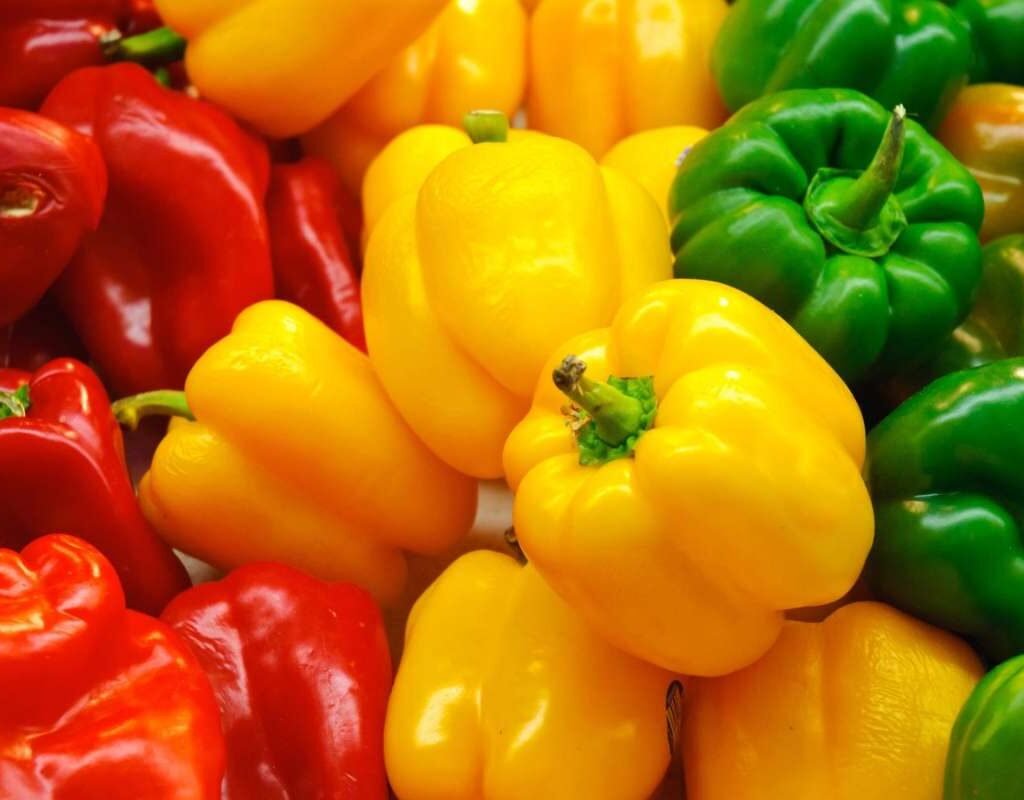
Vitamin C levels vary by color:
- Yellow bell peppers usually contain the most vitamin C.
- Red bell peppers: Also very high in vitamin C and antioxidants.
- Green bell peppers: Lower in vitamin C because they are picked earlier.
Adding different colored peppers to your meals is an easy way to get more vitamin C and antioxidants throughout the week.
Can bell peppers support eye health?
Yes, bell peppers can support eye health because they contain vitamin A, lutein, and zeaxanthin.
Your body changes beta-carotene into vitamin A, which helps the eyes work properly, especially in low light. Lutein and zeaxanthin are plant pigments that collect in the retina, where they help protect eye tissues from oxidative stress caused by free radicals.
Red and orange bell peppers contain more carotenoids than green peppers because they stay on the plant longer as they ripen. During this time, they produce higher levels of these helpful pigments. Adding the benefits to your daily diet is a simple way to support healthy vision while also getting other important nutrients.
Benefits of bell peppers for heart health

Bell peppers fit well into a heart-friendly diet because they are rich in nutrients and naturally low in saturated fat and cholesterol.
They support heart health in several ways:
- Potassium helps maintain normal blood pressure by balancing sodium levels.
- Fiber supports healthy eating habits and can help you stay full for longer.
- Antioxidants help protect cells from oxidative stress.
One simple change can also make a difference. Instead of adding extra cheese, creamy dressings, or fried toppings, use sliced bell peppers in sandwiches, wraps, pizzas, or salads. You get more crunch, extra vitamins, and fewer calories without losing flavor.
Making swaps like these is one of the practical benefits that can support healthier meals every day.
How bell peppers may help with weight management
The Benefits of Bell Peppers include helping you build filling meals without adding many calories. They are low in calories, high in water, and contain fiber that helps you stay full for longer.
| Feature | How It Helps |
| Low calorie density | Lets you eat a larger serving with fewer calories. |
| High water content | Adds volume and helps you feel satisfied. |
| Fiber | Slows digestion and supports fullness. |
| Crunchy texture | Can satisfy cravings for chips and other processed snacks. |
| Meal prep friendly | Stays crisp in the fridge, making healthy snacks easy to grab. |
Adding sliced bell peppers to snacks or lunches is a simple way to eat more vegetables every day.
Raw vs cooked bell peppers: which is better?
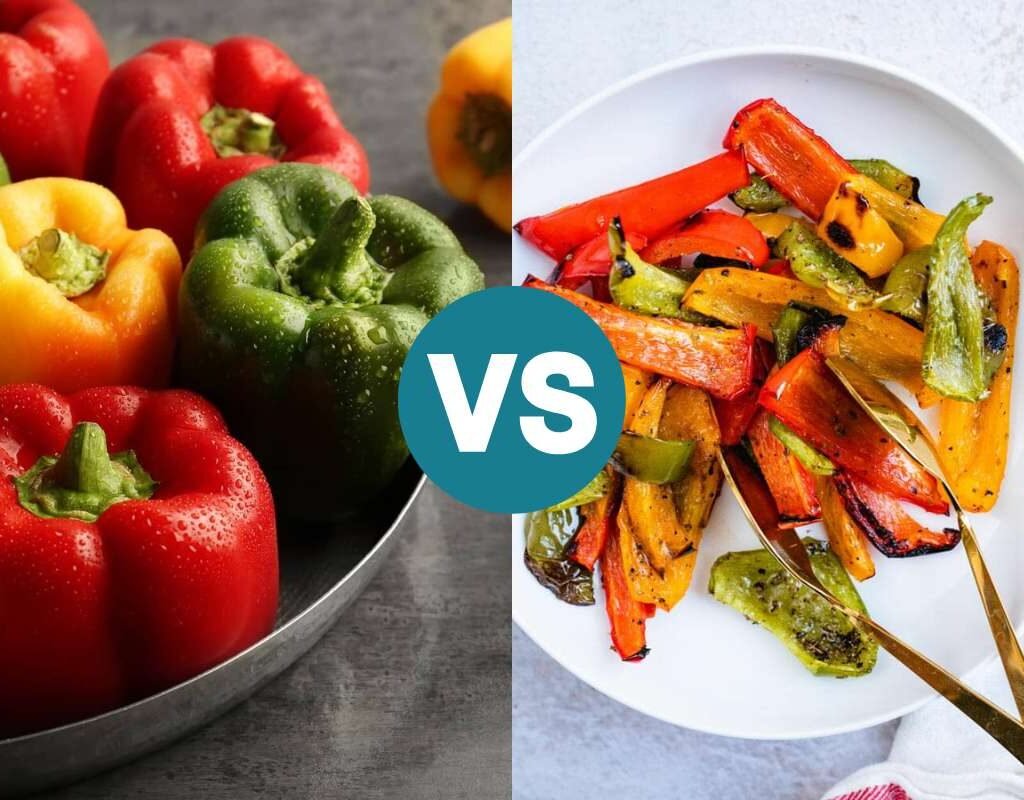
Both raw and cooked bell peppers are healthy choices. The best option depends on how you like to eat them and the nutrients you want most.
Raw bell peppers keep more vitamin C because heat can reduce this vitamin. Cooking, especially roasting, may make some antioxidants and carotenoids easier for your body to absorb. Roasting also gives bell peppers a sweeter taste and a softer texture.
| Raw Bell Peppers | Cooked Bell Peppers |
| More vitamin C | Softer texture |
| Crisp texture | Sweeter flavor |
| Great for salads | Great for cooked meals |
The Benefits of Bell Peppers are available in both forms, so adding a mix of raw and cooked peppers to your meals is an easy way to enjoy the best of both.
Easy ways to add more bell peppers to your diet
The Benefits of Bell Peppers are easy to enjoy because they work well in many everyday meals. You can eat them raw, roasted, or cooked with other ingredients.
| Meal or Snack | Easy Way to Use Bell Peppers |
| Salads | Slice them for extra crunch and color. |
| Eggs | Stir chopped peppers into omelets or scrambled eggs. |
| Wraps and sandwiches | Add fresh slices for texture and flavor. |
| Grain bowls | Roast them with other vegetables. |
| Sauces | Blend roasted peppers into pasta or dip recipes. |
| Main meals | Stuff them with beans or lean protein. |
For the best mix of nutrients, use red, yellow, orange, and green peppers throughout the week instead of sticking to just one color.
Conclusion
Bell peppers are a simple way to add more nutrition to your meals. They support your immune system, eye health, heart health, and weight goals while providing antioxidants that help protect your cells. The Benefits of Bell Peppers make them an easy choice for everyday eating. Try adding different colored peppers to your meals each week to enjoy a wider range of nutrients.